
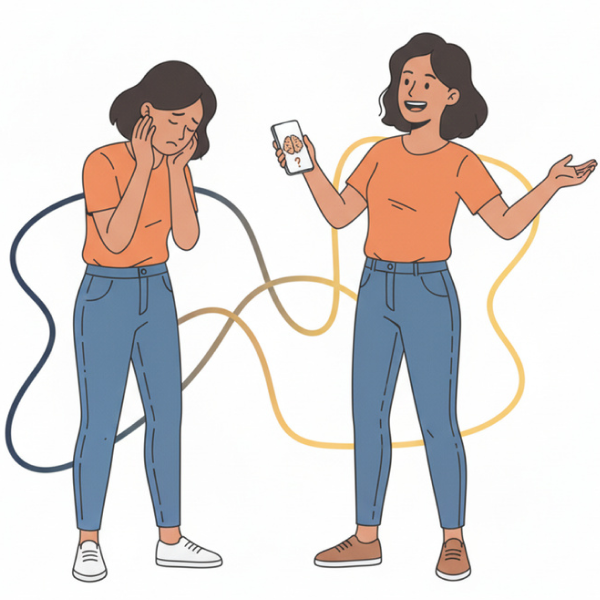
Why Bipolar Screening Matters for Mood Instability
For many readers, the first touchpoint is a brief self-check that captures the rhythm of mood changes and their impact on daily functioning. In that context, a bipolar disorder test may act like a compass rather than a verdict, guiding you toward a fuller conversation with a professional. Good screeners aim to reduce guesswork by asking about symptom clusters such as elevated energy, rapid speech, impulsivity, sadness, and sleep changes, while also probing duration and impairment. The goal is not to label you but to illuminate consistent, clinically meaningful signals that might otherwise be overlooked or minimized.

Beyond personal clarity, high-quality screening supports public health goals by identifying people who are at risk before crises occur. Many tools have been refined across diverse populations and settings, with attention to sensitivity, specificity, and real-world usability. In primary care and counseling environments, a bipolar disorder screening questionnaire can streamline referrals, ensuring that people with probable mood disorders receive targeted assessments efficiently. This upstream approach can reduce misdiagnosis, prevent unnecessary treatment delays, and improve outcomes across the lifespan.

What to Expect
People often wonder about the practical steps involved in evaluation and what to expect next. In many care settings, clinicians begin by reviewing the history captured by a self-check and then proceed to a structured interview that addresses timing, triggers, and impairment, which answers the everyday question, how do you test for bipolar disorder in a reliable, stepwise manner. Combining self-reports with collateral information from family or past medical records can further sharpen accuracy, particularly when memory gaps or insight challenges are present.
Start the TestComparing Common Screening Approaches
Different tools emphasize different aspects of mood cycles, such as lifetime hypomanic episodes, current depressive severity, or functional impairment in work and school. Some focus on speed and accessibility, while others trade brevity for richer detail. Reliability varies by setting, so it’s wise to consider whether a tool was validated in primary care, community samples, or specialty clinics. In many cases, a well-known bipolar disorder questionnaire helps clinicians triage next steps and select additional measures to refine a tentative impression. The goal of comparison is not to rank tools absolutely but to align features with your context and needs.
| Tool Type | What It Emphasizes | Format and Time | Best Used When |
|---|---|---|---|
| Brief lifetime mood screener | Past hypomanic signs, observable changes, functional impact | Yes/No checklist, 5–10 minutes | You need a quick first pass before a full interview |
| Current symptom severity scale | Intensity of depression or elevation during the last 1–2 weeks | Likert ratings, 5–8 minutes | You want to monitor response to treatment over time |
| Structured clinical intake form | Onset, duration, cycles, family history, risk behaviors | Multi-section form, 15–25 minutes | A clinician is preparing for a diagnostic interview |
| Collateral informant checklist | Third-party observations of mood shifts and behavioral changes | Short observer form, 5 minutes | Memory is unclear or symptoms fluctuate rapidly |
Choosing among options depends on purpose, time, and context, and many providers combine instruments to capture both lifetime patterns and current severity. A primary care visit might prioritize breadth and speed, while a specialty clinic adds depth and longitudinal tracking. To keep decisions practical, consider who will read the results, how data will be stored, and what follow-up is available if scores indicate elevated risk. In frontline settings, a bipolar disorder screening test can serve as the front door to a stepped-care pathway that includes education, safety planning, and referral for a full evaluation. Thoughtful selection prevents overtesting while preserving clarity.
Short, user-friendly screeners can reduce stigma by offering a private, low-barrier entry point. After a preliminary review, a clinician may add supplementary scales to clarify patterns of impulsivity, sleep changes, or cyclical mood shifts. For many, a brief gateway instrument feels less intimidating than a lengthy intake, which is why a bipolar disorder quiz often serves as a practical first step before a comprehensive appointment. This layered approach respects both efficiency and nuance, balancing speed with the depth needed for safe and effective care.
Start the Test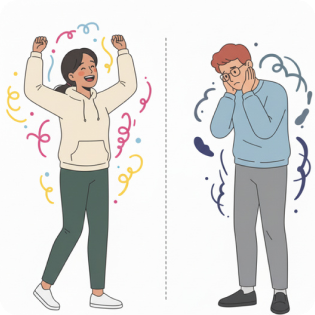
How to Use a Bipolar Self-Test Safely
Screening can be empowering because it helps name what you are experiencing and points to actionable support. Insight grows when you see your answers in context, especially if you track month-to-month changes and share the pattern with a clinician. Responsible use involves treating results as a conversation starter rather than a final word, and recognizing that other conditions, such as thyroid issues, ADHD, substance effects, or trauma, can mimic mood symptoms. With that in mind, the most helpful stance is curiosity, not self-labeling, until a professional evaluates the full picture. Self-guided tools are most valuable when paired with education, crisis planning, and a clear path to clinical care. In the right context, a bipolar disorder self-assessment test can spark timely outreach and help you articulate symptoms that are hard to describe during an appointment. Quality screeners emphasize timeframes, functional impact, and observable changes, making it easier to discuss specifics rather than vague feelings. In addition, informed consent, privacy protections, and culturally sensitive language should be standard features of any resource you choose.

Accuracy also depends on the match between the tool and the person completing it. For some users, instruments that were validated in primary care may fit better than those designed for specialty clinics, and vice versa. Many clinicians rely on structured, research-backed forms to reduce bias and improve consistency, which is why a bipolar mood disorder questionnaire is often embedded within broader intake workflows. The bottom line is to use screeners as signposts on a longer road, keeping expectations realistic and support systems close at hand.
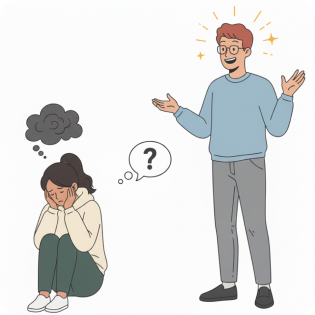
Developmental stage influences how symptoms appear, how questions are interpreted, and what collateral information is needed. Because presentation can be subtle and variable in younger populations, a childhood bipolar disorder questionnaire frequently includes caregiver-rated items that capture behavior across home and school environments. Triangulating perspectives helps distinguish mood cycles from developmental fluctuations or situational stressors. Pediatric teams also weigh safety concerns carefully, creating plans for sleep stabilization, routine, and school support while pursuing a formal evaluation.
Start the TestHow Bipolar Disorder Appears in Adolescents
Adolescence brings hormonal shifts, identity exploration, and new stressors, which can complicate the interpretation of mood symptoms. Social rhythms and sleep patterns often become irregular, amplifying vulnerability in those predisposed to mood dysregulation. In this context, resources tailored to bipolar disorder in teens can help normalize help-seeking and minimize shame, particularly when peers or social media amplify myths. School counselors, pediatricians, and family therapists can coordinate care to ensure that screening results translate into supportive, developmentally appropriate interventions rather than stigma.
Digital Access, Privacy, and Next Steps
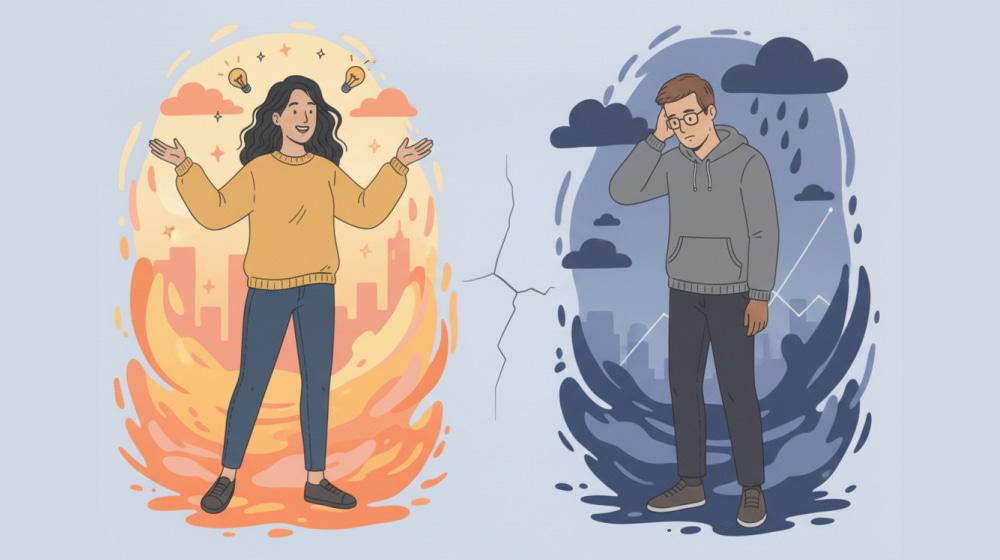
Reliable websites can offer a secure gateway to screening, referral directories, and psychoeducation in a user-friendly format. People who want an at‑home starting point often opt for an online bipolar disorder test that explains how to interpret scores and what thresholds mean in practical terms. Before you proceed, review data practices and whether results are stored or shared, particularly if you’re using a public device. Consider using a private browser window or clearing history to protect sensitive information.
Cost can be a barrier, but reputable organizations and clinics frequently provide no‑charge resources with clear instructions. If you’re exploring options with limited funds, it may help to start with a bipolar disorder test free that still cites validation studies and offers next steps based on your responses. Free doesn’t have to mean low quality, but transparency about limitations is essential, especially if results are borderline. When possible, follow a positive screen with a professional consult to keep momentum and reduce uncertainty. Some users want brief, relatable language that mirrors everyday concerns, especially when they feel unsure about what their symptoms mean. To meet that need, a conversational resource such as a do i have bipolar disorder quiz can demystify terms and encourage thoughtful reflection without jumping to conclusions. After completing any self-check, consider jotting down examples of how sleep, energy, or decision-making changed, and share those specifics with your provider. Concrete examples make it easier to align care plans with your lived experience.
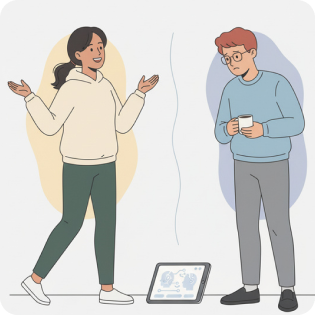
Adults often benefit from context-specific evaluation that considers work roles, caregiving responsibilities, and medical comorbidities. In many clinics, a targeted bipolar disorder assessment for adults approach helps differentiate episodic mood elevation from other causes of impulsivity or irritability. For those seeking a definitive determination, a clinician may recommend a structured pathway that includes history, collateral input, and risk assessment, culminating in a formal bipolar disorder diagnosis test process aligned with established diagnostic standards. The outcome is not just a label but a roadmap for care, safety, and recovery.
Start the TestTake Bipolar Disorder Assessment Online
Get StartedFrequently Asked Questions
- What is the purpose of bipolar screening?Screening identifies patterns that warrant a closer look, helping you decide whether to pursue a professional evaluation. It is not a diagnosis, but it can highlight symptoms that may have been minimized or misunderstood.
- Can a self-check tell me definitively if I have a mood disorder?No self-check can provide a definitive answer; only a qualified clinician can diagnose after reviewing history, symptoms, impairment, and medical factors. Use results as a starting point for conversation and next steps.
- How should I prepare for an appointment after a positive screen?Bring specific examples of mood shifts, sleep patterns, and how daily life was affected. A brief timeline of episodes, medications, and family history will also help the clinician assess patterns over time.
- What if my results are borderline or confusing?Borderline scores are common, especially when symptoms fluctuate. Share your concerns with a professional, who can add structured interviewing, collateral input, and medical screening to clarify the picture.
- Will my screening results be kept private?Reputable platforms explain how your data is stored and who can access it. If privacy is a concern, use secure devices, review policies, and consider discussing results directly with a clinician rather than saving them online.
The Latest News
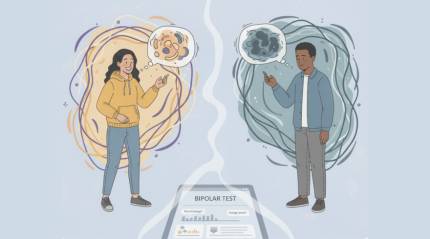 Your Comprehensive Guide to Online Bipolar Disorder Test and What to Expect Take Bipolar Disorder Assessment Online Get Started Understanding Digital Self-Screening for Mood Disorders People often arrive at mental health tools online because they want clarity, privacy, and a place to start. A trustworthy screening can help you notice patterns like rapid moo...
 - 3 December, 2025
- Comprehensive Guide to Adult Bipolar Assessment and Its Real-World Benefits What a Thorough Adult Evaluation Entails A high-quality evaluation for mood instability in adults blends scientific rigor with compassionate listening. Clinicians map patterns over time, distinguishing episodic elevation from persistent depression, charting sleep shifts, energy surges, and changes...
- 2 December, 2025
- Your Guide to Free Bipolar Screening and Smart Next Steps Take Bipolar Disorder Assessment Online Get Started Understanding Bipolar Screening and Why It Matters Feeling uncertain about intense mood shifts, sleep changes, or racing thoughts can be unsettling, and many people want a low-pressure way to gather information before reaching out...
- 1 December, 2025
Please Note
This website (bipolar-disorder-assessment.com) is not an official representative, creator or developer of this application, or product. All the copyrighted materials belong to their respective owners. All the content on this website is used for educational and informative purposes only.