Your Guide to Free Bipolar Screening and Smart Next Steps
- 1 December 2025

Take Bipolar Disorder Assessment Online
Get StartedUnderstanding Bipolar Screening and Why It Matters
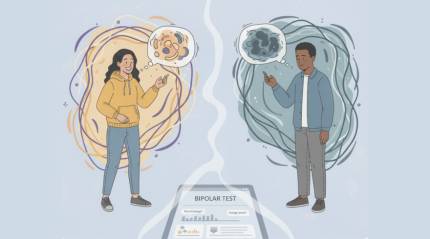
Feeling uncertain about intense mood shifts, sleep changes, or racing thoughts can be unsettling, and many people want a low-pressure way to gather information before reaching out to a professional. A screening questionnaire offers a private space to reflect on recent patterns, including periods of elevated energy or irritability and episodes of slowed thinking or sadness. These tools are designed to highlight clusters of symptoms that may warrant a deeper evaluation, and they can also help you name experiences that once felt chaotic. While a brief checklist cannot confirm a diagnosis, it can illuminate whether your current concerns are consistent with a mood spectrum condition and whether further assessment could be helpful.
For many visitors, a bipolar disorder test free option serves as an approachable icebreaker before speaking with a licensed provider. You can use the results to frame conversations about onset, duration, and impairment, which often speeds up the path to appropriate care. It’s useful to remember that screenings are snapshots, not biographies; they capture how you’ve been in a defined interval, usually the past few weeks or across your lifetime for certain questions. If your experiences change, so can your scores. Use that flexibility to your advantage by noting patterns over time and bringing that record to your healthcare appointment for context and clarity.
- Screenings translate lived experience into recognizable symptom clusters.
- Results can guide whether to seek a psychiatric or primary care evaluation.
- Repeat use over months can reveal trends tied to stress, sleep, or season.
How Online Screenings Work
Most web-based questionnaires rely on validated instruments developed by clinical researchers, such as the Mood Disorder Questionnaire (MDQ) for lifetime hypomanic symptoms or scales targeting current energy, impulsivity, and sleep. You’ll typically answer yes/no or frequency items, followed by a brief functional impact question. The tool then applies a scoring rule, often based on sensitivity and specificity trade-offs chosen during validation, to estimate the likelihood that your pattern resembles a bipolar spectrum presentation. Immediate feedback summarizes the result in plain language, often with guidance about next steps and links to resources.
If anonymity is vital, a bipolar disorder test free online pathway lets you explore concerns without sharing your name. Many sites provide quick explanations for each section so you know what a particular cluster of items is probing. Pay attention to time frames and definitions, “elevated mood” can mean unusually good or irritable mood with increased goal-directed activity. The more carefully you read, the more accurate your self-report will be. Consider taking notes on sleep duration, caffeine or substance use, and stressful events because those factors can influence symptom intensity and frequency, helping you interpret your score with more nuance.
- Expect 2–10 minutes to complete, depending on the instrument.
- Look for clear scoring explanations and reputable citations.
- Prefer tools that encourage follow-up with a clinician rather than self-diagnosis.
Benefits and Limitations of Free Screenings
Cost should never be a barrier to basic mental health information, and complimentary tools reduce friction at a moment when motivation can be fragile. Accessible questionnaires promote early recognition, which is crucial given the risks associated with untreated mood disorders, financial strain, relationship conflict, and, in some cases, safety concerns. A free resource can also catalyze supportive conversations with family, partners, or friends who may have noticed changes but weren’t sure how to bring them up. The more grounded your language becomes, the easier it is to ask for specific help, whether that’s a ride to an appointment or assistance establishing a steadier sleep schedule.
Alongside convenience, a free online bipolar disorder test can help you notice pattern trends across moods and energy. However, limitations matter: brief checklists cannot account for medical conditions or substances that mimic mood symptoms, such as thyroid issues, ADHD, or stimulant use. Scores may shift with context, and cultural expression of emotion can alter how items are interpreted. Use your result as a compass, not a verdict, and treat any concerning outcome as an invitation to schedule a comprehensive evaluation with a licensed clinician who can differentiate between overlapping conditions and discuss evidence-based treatments.
- Pros: accessible, fast, nonjudgmental, educational.
- Cons: not diagnostic, vulnerable to recall bias, limited scope.
- Best practice: pair self-screening with professional assessment and ongoing monitoring.
How to Take a Screening Responsibly and Improve Accuracy
Good preparation makes a short questionnaire far more informative. Choose a quiet environment, silence notifications, and give yourself a few minutes to reflect before you begin. Think about your longest high-energy period and your lowest mood spell, and jot down approximate dates, sleep changes, and any major life events. Review what others have observed, too, external perspectives can reveal shifts in talkativeness, risk-taking, or irritability that you might minimize. Read instructions carefully and answer based on your typical experience during the specified time window rather than how you hope to feel next month.
Before you tap through a free bipolar disorder test, set aside ten calm minutes and minimize distractions for clarity. If a prompt feels ambiguous, lean on concrete examples: “slept only four hours but felt fine,” “started multiple projects at once,” or “felt unusually social despite little rest.” Avoid rushing to finish. After submitting, capture the summary in a journal or app, noting your current medications, caffeine, alcohol, or cannabis use, because these details will help a clinician interpret the outcome. Treat the experience as data gathering, not self-labeling, and plan a follow-up step, even if that’s simply setting a reminder to repeat the screening in two weeks.
- Create a brief timeline of mood, sleep, and energy shifts over the past year.
- Ask a trusted person for observations you might have missed.
- Revisit the questionnaire periodically to track change over time.
Comparing Popular Tools and Features
Different questionnaires examine different aspects of mood, impulsivity, and functioning, so it helps to know what a tool is optimized to detect. Some focus on lifetime patterns of elevated energy, while others emphasize current symptoms or severity. For quick feature comparisons, an online bipolar disorder test free may differ in item counts, scoring style, and follow‑up advice. Look for clear disclosures about who developed the scale, whether it has peer‑reviewed validation, and how to interpret threshold results. A thoughtful platform will also explain what a “positive” screen does and does not mean, and it will flag urgent warning signs that call for immediate help rather than a routine appointment.
| Tool | Focus | Typical Items | Time | Useful Notes |
|---|---|---|---|---|
| Mood Disorder Questionnaire (MDQ) | Lifetime hypomanic/manic symptoms | 13 core items + impact questions | 3–5 minutes | Good at flagging bipolar I tendencies; less sensitive for bipolar II |
| Hypomania Checklist (HCL‑32) | Hypomanic traits across situations | 32 items | 5–8 minutes | Broad coverage of elevated mood and activity patterns |
| Altman Self‑Rating Mania Scale (ASRM) | Current elevated mood severity | 5 items | 2–3 minutes | Useful for tracking symptom changes week to week |
| PHQ‑9 (contextual) | Current depressive symptom severity | 9 items | 2–4 minutes | Not a bipolar screen but helpful for depressive episodes |
- Prefer tools that link to crisis resources and clear next steps.
- Check whether the site cites academic sources or clinical guidelines.
- Use the same instrument over time for consistent trend tracking.
Privacy, Accessibility, and Inclusivity Considerations
Trustworthy platforms explain how they handle your data, including whether responses are stored, anonymized, or deleted after scoring. Look for HTTPS encryption, transparent cookie notices, and the ability to take the assessment without creating an account. Accessibility matters, too. Clear language, readable contrast, mobile-friendly layout, and keyboard navigation support make a real difference. If English is not your first language, search for localized versions of established scales or ask a clinician for translated materials to avoid misinterpretation.
On the go, a bipolar disorder test online free can be completed on a phone during a quiet moment between responsibilities. Still, take precautions: avoid public Wi‑Fi when sharing health information, and consider using a browser’s privacy mode. If your situation involves safety concerns at home or work, plan where and when you’ll check results so you can process them without pressure. Inclusivity also means recognizing cultural variability in expressing emotion and energy; the most respectful tools invite you to reflect on how symptoms show up in your life rather than assuming a one‑size‑fits‑all presentation.
- Confirm encryption and data retention policies before answering items.
- Seek versions with screen‑reader support and clear, simple wording.
- Choose a secure, private environment to review outcomes and recommendations.
From Results to Next Steps
Screening can be empowering when it leads to concrete action. If your result suggests elevated risk, consider booking an evaluation with a psychiatrist, psychiatric nurse practitioner, or a primary care clinician who can refer you to specialty care. Bring notes about family history, sleep, mood cycles, and any past response to antidepressants or stimulants, as those details inform differential diagnosis. Create a short-term plan, consistent sleep and wake times, reduced substance use, and gentle routines, which often stabilizes energy while you await an appointment.
After reflecting on your results, a bipolar disorder free test should lead into concrete actions like tracking moods or scheduling an evaluation. If your score is low but symptoms persist, revisit the questionnaire in a few weeks and keep journaling daily experiences to catch patterns you might miss in the moment. Should you ever feel at risk of harming yourself or others, treat that as an emergency and reach immediate support in your region, such as local crisis lines or emergency services. With the right follow‑through, a brief self-check becomes a bridge to informed care and sustainable wellbeing.
- Share results and notes with a clinician for context and planning.
- Start mood and sleep tracking to monitor trends between appointments.
- Build a support network and crisis plan tailored to your needs.
FAQ: Common Questions
Are these screenings accurate enough to rely on?
They are helpful indicators, not diagnostic tools, and they work best when paired with a professional evaluation. When used as a first screen, a bipolar disorder self test free can flag patterns worth discussing with a clinician, but only a comprehensive assessment can confirm a diagnosis. Treat scores as guidance for next steps rather than a label.
How long do typical questionnaires take?
Most take between two and eight minutes, depending on the instrument and the complexity of items. Shorter scales are great for quick check-ins, while longer checklists can capture nuance across different life contexts, which is useful for clinical conversations.
Will a screening tell me exactly what I have?
No single questionnaire can determine a specific condition. A full evaluation considers medical history, family risk, substance use, sleep patterns, and other factors that can mimic or amplify mood symptoms. Use your result to decide whether it’s time to schedule a thorough assessment.
Is my information safe on these websites?
Look for encryption, clear privacy notices, and minimal data collection. Before entering any details, a free online test for bipolar disorder should disclose privacy practices, data storage, and the option to proceed without creating an account. If those basics are missing, choose a different platform.
What should I do if my score is high or I’m in crisis?
High scores warrant a prompt conversation with a healthcare professional. If you feel unsafe or at risk of harm, contact local emergency services or a crisis hotline immediately. Make a simple plan, inform a trusted person, prioritize sleep, and avoid substances, while you arrange follow‑up care.