The Complete Guide to a Bipolar Disorder Quiz: Purpose and Best Practices
- 28 November 2025
Take Bipolar Disorder Assessment Online
Get StartedWhat a Bipolar Self-Assessment Is and Why It Matters
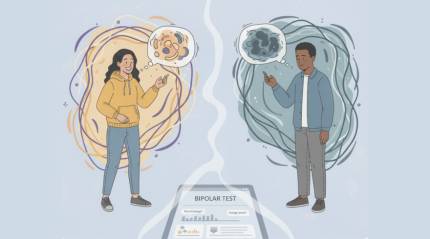
People often feel overwhelmed when mood shifts arrive out of the blue, especially when energy, sleep, and focus swing in opposite directions. A structured self-check can help transform that confusion into a clearer picture by organizing experiences into consistent patterns. Rather than guessing, an evidence-informed questionnaire invites you to reflect on the frequency, intensity, and duration of symptoms such as elevated mood, irritability, racing thoughts, and prolonged downswings. This approach does not replace a diagnostic evaluation, yet it can be a meaningful first step toward understanding whether experiences align with bipolar spectrum conditions.
Among the many self-screening tools available, the bipolar disorder quiz offers bite-sized prompts that map everyday life to mood science in a practical, nonjudgmental way. The best-designed items examine sleep need, goal-directed activity, impulsivity, and functional impairment, which together illuminate rhythms that might otherwise go unnoticed. To keep the process accessible, plain-language questions and short answer choices reduce friction and encourage honest reflection. When a person sees their responses summarized, it becomes easier to notice patterns and decide whether to schedule a conversation with a licensed clinician.
- Clarifies how often symptoms appear and how long they last.
- Highlights patterns connecting sleep, stress, and mood variability.
- Encourages early conversations with healthcare professionals.
- Frames experiences without stigma or labels.
Self-assessments work best when combined with lifestyle context, such as recent life events, medication changes, or shifts in caffeine and alcohol intake. A thoughtful mindset helps you read results as signals to consider, not verdicts to follow. With that lens, the process becomes empowering rather than intimidating.
How Screening Items Work and What They Measure
Behind the scenes, good screeners borrow concepts from psychometrics, the field that studies how to measure mental health constructs reliably. Questions often use Likert-style scales that gauge intensity, timing, and impairment, because accuracy improves when answers capture gradations rather than simple yes/no choices. In bipolar-focused tools, the content typically clusters around elevated mood features (reduced sleep need, fast speech, amplified confidence) and depressive features (anergia, hopelessness, slowed thinking). Balance matters: an overemphasis on one side can distort the overall picture.
Some readers prefer clearer, first-person wording because it mirrors daily self-talk and reduces ambiguity. In that spirit, a format similar to a do i have bipolar disorder quiz can feel intuitive for people who want direct, immediately relatable prompts. When items stay concrete, think “slept three hours and felt wired” rather than “sleep disturbance”, they become easier to answer consistently across weeks. Consistency matters more than perfection, because repeatable responses allow you to track change over time.
- Elevated energy and activity: indicators of hypomanic or manic patterns.
- Sleep and circadian cues: early warning signs for swings in either direction.
- Impulse control and risk: spending, substance use, or unsafe decisions.
- Role functioning: work, school, and relationship disruption.
No single item tells the whole story, so trustworthy tools aggregate many signals into a composite perspective. Think of this as a dashboard rather than a single flashing light. The clearer the data inputs, the better the dashboard helps you navigate.
Benefits, Risks, and Evidence-Informed Use
People turn to mental health screeners for clarity, efficiency, and privacy. A well-constructed self-assessment can validate lived experiences, reduce uncertainty, and spark action sooner than waiting months to sort through questions alone. Used responsibly, it helps you prepare for a clinical visit with structured notes, which often leads to a more efficient, precise conversation. Beyond personal benefits, these tools support public health by encouraging early recognition, which can reduce the impact of untreated mood episodes.
When searchers look for a bipolar disorder test quiz, they typically want straightforward guidance without medical jargon. That is understandable, yet it is also where risks can creep in if results are misread as diagnoses. Screening is directional, not definitive; it points toward probabilities that warrant professional follow-up. Overinterpreting a high score can lead to unnecessary alarm, while ignoring a concerning pattern can delay care that might prevent crisis. The antidote is context: results should be viewed alongside history, family patterns, and recent stressors.
- Benefits: clarity, organization, and momentum toward appropriate support.
- Limitations: false positives, false negatives, and overconfidence in a single snapshot.
- Best practice: treat results as conversation starters with licensed clinicians.
Finally, privacy matters. Choose screeners from reputable sources that disclose how responses are stored or anonymized. If you prefer not to save data, use tools that run locally in your browser or allow you to decline account creation.
Who Should Consider a Screening: Adolescents and Adults
Age and life stage shape how mood patterns manifest and how questions should be phrased. Adolescents often experience rapid developmental changes, shifting sleep habits, and social pressures, which can blur the line between typical turbulence and clinically significant mood cycling. Adults may show more entrenched patterns that intersect with work responsibilities, parenting, and long-term relationships. For both groups, clarity improves when items tie symptoms to real-world functioning, like missed deadlines, conflicts, or academic dips.
Youth programs sometimes share a bipolar disorder quiz teens might find approachable in settings such as school wellness portals or community clinics. Shorter modules with plain examples help younger readers distinguish normal ups and downs from persistent, impairing shifts that merit evaluation. Guidance for caregivers is also crucial, because family observations often capture cues teens may overlook or minimize during fast-moving changes.
- Use age-appropriate language and concrete examples.
- Invite caregiver input when assessing minors.
- Track sleep and school functioning to ground interpretations.
- Reassess periodically, because patterns evolve over time.
Adult-oriented versions emphasize work performance, financial decision-making, and relationship stability, which often reveal meaningful signals. Workplace wellness hubs sometimes host a bipolar disorder quiz adults can complete discreetly, enabling employees to seek help without broadcasting personal concerns. Whether adolescent or adult, anyone noticing cyclical mood shifts, altered sleep need, or risky impulsivity may benefit from a structured snapshot that informs next steps.
Interpreting Results, Next Steps, and Talking to a Professional
Scores and summaries are only the beginning. The most useful step after any self-check is to translate patterns into a plan: track sleep, note triggers, and identify supports. If results suggest significant cycling or impairment, scheduling a comprehensive evaluation with a licensed professional is wise. Bring written examples of specific behaviors, timeframes, and impacts, because concrete details speed up accurate assessment. Treatment discussions might include therapy options, medication considerations, and lifestyle adjustments that stabilize rhythms.
| Symptom cluster | What a self-check screens for | What clinicians may assess |
|---|---|---|
| Elevated mood and energy | Reduced sleep need, rapid speech, racing thoughts | Hypomania vs. mania, hospitalization risk, safety planning |
| Low mood and anergia | Persistent sadness, slowed thinking, loss of interest | Severity, suicidality screening, co-occurring conditions |
| Function and risk | Work or school disruption, impulsive spending, conflict | Impairment level, substance use, medical contributors |
For readers who want a conversational tone, a do you have bipolar disorder quiz style can feel less clinical while still promoting thoughtful reflection. That tone can lower barriers to getting started, especially for people new to mental health language. After reviewing results, consider logging sleep and mood for two to four weeks; those notes help clinicians differentiate bipolar spectrum patterns from unipolar depression or situational stress reactions. When safety concerns arise, such as escalating risk-taking, severe insomnia, or thoughts of self-harm, seek urgent support from local emergency services or crisis lines.
Adults who juggle multiple responsibilities may appreciate resources embedded in primary care or telehealth settings. Workplace employee assistance programs, campus counseling centers, and community clinics can provide guidance on next steps. If you already see a therapist or prescriber, bring your summary and tracking data to your next session to refine your care plan together.
FAQ: Quick Answers About Bipolar Self-Checks
Are self-assessments diagnostic tools?
No, they are screening aids that point to patterns worth discussing with a licensed clinician. The right way to use results is as a conversation starter, not as confirmation. If a score worries you, make an appointment and share concrete examples to support a thorough evaluation.
How should I prepare before taking a questionnaire?
Have a recent timeline in mind, including sleep changes, energy shifts, and stressful events. Consider asking a trusted friend or family member to share observations, since outside perspectives can catch blind spots. After you finish, jot down notes about items that felt especially relevant or confusing.
Is it safe for teenagers to try a screening?
Yes, with guidance. Adolescents benefit when caregivers or school counselors help interpret results and connect findings to daily functioning. If concerns emerge, schedule a professional evaluation and share observations from both the teen and adults who know them well.
Where can I take a private digital questionnaire?
Many reputable health organizations host confidential tools that run on secure platforms and explain how data is handled. For convenience and discretion, some people start with an online bipolar disorder quiz that provides immediate feedback without requiring an account. Afterward, consider exporting or writing down your summary so you can bring it to a clinical visit.
What should I do if my results show high risk?
If you see signs of severe impairment, escalating risk-taking, or thoughts of self-harm, seek urgent support through emergency services or crisis hotlines in your region. In non-urgent situations, book a comprehensive assessment and begin tracking sleep and mood daily to inform treatment planning. Honest, prompt action makes a meaningful difference in outcomes.
- Use screenings as guides, not verdicts.
- Pair results with professional evaluation.
- Track patterns over time to increase clarity.
- Prioritize safety and seek timely support when needed.
Approached with care, self-assessments can empower you to recognize meaningful patterns, communicate clearly with clinicians, and move toward effective, compassionate treatment.