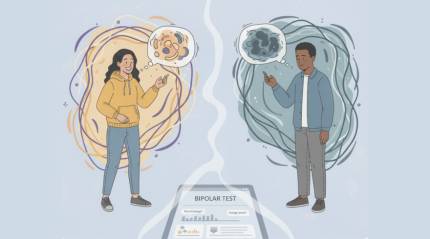
Comprehensive Guide to Adult Bipolar Assessment and Its Real-World Benefits
- 2 December 2025

What a Thorough Adult Evaluation Entails
A high-quality evaluation for mood instability in adults blends scientific rigor with compassionate listening. Clinicians map patterns over time, distinguishing episodic elevation from persistent depression, charting sleep shifts, energy surges, and changes in motivation. A careful history examines first symptoms, triggers, medical comorbidities, and family prevalence, while also ruling out medical or substance causes that can mimic mood swings. This layered approach prevents mislabeling and allows tailored support that actually fits a person’s lived experience. The goal is clarity, not labels alone, because clarity opens doors to effective treatment and self-directed strategies.
Beyond symptom lists, a clinician also reviews functional impact, such as academic disruptions, relationship strain, financial volatility, or risky behavior during energized states. Collateral perspectives from partners or close friends can illuminate blind spots without overriding a person’s own account. Modern best practice folds in standardized scales, but never lets checklists replace a nuanced narrative. With the right blend of structured tools and story-driven insight, individuals walk away not just with a diagnosis when warranted, but with explanations that make sense and a plan they can trust.
- History of mood episodes, including age at onset and duration
- Patterns across sleep, energy, impulse control, and cognition
- Medical screening to exclude mimics and contributors
- Function and safety assessment across daily roles
- Collaborative planning that respects personal goals
Why Accurate Diagnosis Matters for Outcomes and Quality of Life
Precision in evaluation minimizes delays and avoids treatments that target the wrong problem. Many adults first present during a depressive episode, and without careful probing of prior activation, hypomania can be missed. An incomplete picture may lead to partial relief or unexpected destabilization, while a comprehensive view guides safer and more effective choices. Realistic psychoeducation then empowers people to anticipate shifts and respond early, which often reduces crisis escalations and improves long-term stability.
In busy clinics and community settings, bipolar disorder assessment in adults becomes a linchpin for differentiating episodic mood elevation from unipolar depression, leading to better treatment alignment. That alignment can lower hospitalization risk, improve work continuity, and preserve relationships through early intervention strategies. When combined with supportive psychotherapy and lifestyle scaffolding, such as sleep regularity, stress buffering, and substance harm reduction, an accurate diagnosis paves the way for fewer relapses and greater confidence in self-management. Over time, clarity also reduces stigma because patterns finally make sense, enabling family members to become allies rather than critics.
- Reduced time to appropriate treatment selection
- Lower risk of iatrogenic worsening from mismatched care
- More targeted relapse prevention planning
- Improved adherence driven by understanding and trust
Screening Tools and Questionnaires: How They Support Clinical Judgment
Standardized instruments help organize complex experiences, offering a common language for symptoms and timelines. They do not replace expert evaluation, but they sharpen focus, reveal hidden patterns, and bring structure to follow-up visits. When used well, these tools speed triage, flag safety issues, and track changes across weeks or months. Clinicians interpret scores in context, integrating medical history, substance use, and psychosocial stress to avoid false positives or overlooked nuance. This synergy between objective scales and narrative detail is what turns raw data into wise decisions.
Many adults appreciate having a structured format to capture mood, sleep, energy, and impulsivity across recent months, and bipolar disorder assessment scales can translate that information into practical next steps. Short forms reduce burden when time is tight, while longer inventories dig deeper into lifetime patterns, mixed features, and risk behaviors. Consistency matters more than any single score, so repeating the same instrument over time helps reveal true change rather than random fluctuation. Remember, the best tool is the one you will actually complete reliably.
To make comparison easier, the table below outlines common components clinicians often review alongside standardized measures.
| Assessment Component | What It Captures | Why It Matters |
|---|---|---|
| Mood Episode Timeline | Onset, duration, frequency, seasonal trends | Distinguishes episodic elevation from chronic symptoms |
| Sleep and Circadian Pattern | Need for sleep, insomnia vs reduced sleep, rhythm shifts | Highly sensitive marker for impending mood change |
| Energy and Activity | Goal-directed behavior, restlessness, productivity spikes | Helps separate normal motivation from hypomanic activation |
| Impulse and Risk | Spending, sex, driving, substances, gambling | Guides safety planning and harm reduction |
| Collateral Input | Observations from trusted partners or relatives | Fills gaps when insight is limited during episodes |
Within structured screening, bipolar disorder assessment questionnaire tools standardize symptom mapping so trends become visible over time. Thoughtful scoring then anchors the clinical interview, highlighting areas to explore further without overshadowing the person’s own story. When patterns are captured clearly, clinicians and patients can collaborate on targeted goals such as sleep stabilization, relapse plans, and communication strategies that protect relationships.
The Clinical Interview: Differential Diagnosis and Collateral Clarity
At the heart of evaluation lies a meticulous interview that reconstructs the narrative arc of mood change. The clinician explores first episodes, periods of high drive, irritability or euphoria, racing thoughts, and changes in self-confidence or judgment. Equally important are depressive features such as low energy, anhedonia, indecision, and sleep disruption. Medical contributors, thyroid problems, neurological conditions, medications, and substances, must be screened, because treating a masquerading cause requires a different pathway entirely.
During this discussion, assessment bipolar disorder language is translated into everyday terms so people can describe internal shifts without jargon. Collateral information gives a 360-degree view, especially when insight fades during energized phases. Differential diagnosis weighs ADHD, PTSD, cyclothymia, personality traits, and mixed states, ensuring that overlapping symptoms are parsed carefully. A transparent summary closes the loop, offering both preliminary impressions and next steps, while inviting questions to confirm shared understanding.
- Reconstruct life timeline to connect symptoms with context
- Systematically rule out medical and substance-related causes
- Compare features of mood elevation, depression, and mixed states
- Summarize findings and co-create a practical action plan
Digital Pathways: Telehealth, Apps, and Remote Check-Ins
Technology has expanded access to high-quality mental health care by bridging geographic gaps and reducing waiting times. Many adults begin with remote consultations, then continue hybrid care that alternates in-person and virtual visits. Apps now enable mood tracking, sleep logs, and medication reminders, while secure messaging supports timely questions between appointments. These tools promote engagement and help people notice early warning signs so they can adjust routines before symptoms escalate.
Across virtual care settings, bipolar disorder assessment online adults services can combine clinician-led interviews with secure digital screeners and structured follow-up. Privacy, data security, and evidence-based content are essential, so reputable platforms disclose how information is stored and used. Remote options are not a replacement for emergency care, but they can accelerate first steps, coordinate lab work locally, and simplify data sharing across providers. For many, the ability to access care from home improves continuity and reduces the logistical load that often derails follow-through.
- Telehealth evaluations with licensed clinicians
- Digital mood and sleep tracking integrated with care plans
- Secure questionnaires completed before sessions
- Hybrid models that mix virtual check-ins and in-person exams
Interpreting Results and Planning Next Steps
After data gathering, the clinician synthesizes findings into a coherent roadmap tailored to the person’s priorities. That synthesis addresses diagnosis when appropriate, comorbid conditions, safety considerations, and individualized goals. Recommendations may include medication options, psychotherapy, lifestyle adjustments, and strategies for monitoring triggers. Clear follow-up intervals allow for rapid adjustments, because the early treatment phase often requires fine-tuning to balance benefits and side effects.
When discussing measurement tools, bipolar disorder assessment test results are interpreted in context rather than in isolation, guiding iterative decisions over time. People are encouraged to track what works, record sleep windows, and note stressors that tend to precede shifts. Plans often include a relapse blueprint detailing early warning signs, communication steps with loved ones, and a fast-track route back to care if symptoms surge. With this structure, progress becomes visible and setbacks become learning opportunities rather than failures.
- Collaborative, written plan with concrete next steps
- Monitoring schedule with specific markers and timelines
- Relapse blueprint identifying early signs and action steps
- Coordination with primary care and specialty services
Benefits of Comprehensive Evaluation for Daily Living
Thorough evaluation pays dividends beyond diagnosis by shaping a sustainable life strategy. People frequently report relief when a coherent explanation replaces years of confusion, and loved ones gain a shared language that reduces conflict. Clarity enables targeted routines: consistent sleep windows, structured activity, and mindful pacing during energized stretches. Workplaces can accommodate with flexible scheduling or phased returns, while communities can offer support that actually fits, not a one-size-fits-all template.
In practical terms, bipolar disorder self assessment can complement clinician visits by encouraging regular reflection on energy, sleep, and focus between appointments. Over time, that self-monitoring reinforces early intervention skills, so small course corrections prevent large crashes. Benefits accumulate: fewer crises, more stable relationships, improved financial decisions, and a stronger sense of agency. When care is personalized, people often rediscover creativity and purpose, channeling high-energy periods productively while safeguarding rest.
- Greater insight into personal warning signs and triggers
- Enhanced collaboration with family and care teams
- Reduced emergency visits through proactive adjustments
- Improved confidence in navigating work and life transitions
How to Prepare for an Adult Evaluation
Preparation makes the first appointment more efficient and less stressful. Start by sketching a timeline of mood shifts, sleep changes, energy fluctuations, and any periods of unusually high confidence or irritability. List medications, supplements, and substances, with doses and dates. Ask trusted people for observations, especially about episodes you may not recall clearly. Gather prior records when possible, including past diagnoses, hospitalizations, or lab results. This documentation helps a clinician move quickly from data collection to practical planning.
For those arranging care, assessment bipolar disorder adults planning is smoother when you bring concise notes and specific questions you want answered. Consider tracking sleep-wake times for two weeks and recording caffeine and alcohol use, which can complicate patterns. If safety concerns are present, create a crisis contact list and discuss it openly at the visit. Most importantly, be honest about what you hope to change first, sleep stability, mood swings, motivation, or relationship strain, so the plan aligns with your priorities.
- Two-week sleep and energy log to anchor discussion
- Medication and substance list with start/stop dates
- Collateral notes from a partner or close friend
- Top three goals you want the plan to address
FAQ: Common Questions About Adult Assessment
How long does a typical evaluation take?
Initial visits often last 60–90 minutes, with follow-ups to review lab results, refine the timeline, and finalize a plan. Complex histories or multiple conditions may require additional sessions, which is normal when accuracy matters. The goal is a shared understanding that informs sound decisions.
Are questionnaires enough to confirm a diagnosis?
Questionnaires are helpful screening tools, but they do not replace a full clinical interview and medical review. Scores guide attention to specific areas, while clinicians integrate context, history, and functional impact to reach a conclusion that holds up over time.
Can I start with a screening before meeting a clinician?
Many people begin with a brief screener to organize their thoughts, and bipolar disorder self-assessment test tools can highlight patterns to discuss at the first appointment. Use the results as conversation starters rather than final answers, and follow up with a licensed professional for confirmation.
What if my symptoms partially fit but not perfectly?
It is common for experiences to overlap with several conditions, and careful differential diagnosis is the rule rather than the exception. Clinicians track patterns over time, so a provisional plan can begin while data continues to accumulate.
How soon can treatment start after evaluation?
Treatment planning typically begins immediately after the initial synthesis, with safety steps prioritized first. Medication or psychotherapy may start quickly, while lifestyle adjustments and monitoring are integrated from day one to support steady progress.