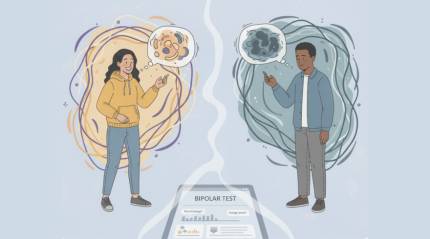
Supportive Guide to Adolescents Navigating Bipolar Spectrum Conditions
- 26 November 2025
Take Bipolar Disorder Assessment Online
Get StartedWhat It Is, Why It Matters, and How to Talk About It
Adolescence is a developmental crossroads, where identity, friendships, school pressure, and biology meet in a swirl of change. Families, educators, and young people themselves often look for language that reduces stigma and makes space for hope. Reliable information and compassionate conversations can transform confusion into clarity, while timely care can turn chaos into a plan.
Within community circles and youth programs, discussions about bipolar disorder for teens often miss the nuance of different mood patterns and the range of ways young people cope with stress. Rather than a single storyline, there are multiple trajectories shaped by genetics, sleep, trauma history, and environment. When we recognize this diversity, we move away from stereotypes and toward individualized support that respects each teen’s goals, culture, and strengths.
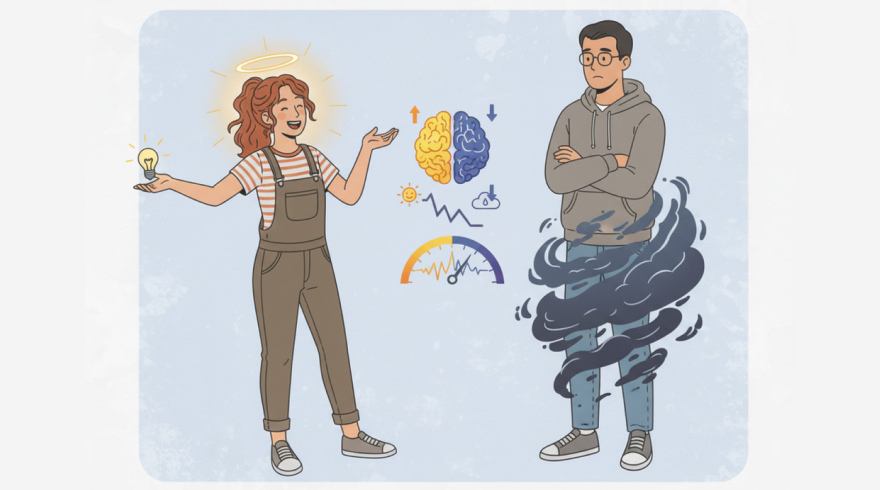
It helps to picture mood on a continuum that includes lows, highs, mixed states, and steadier intervals. On this continuum, the texture of life events matters: a missed night of sleep before exams, sudden social media drama, or the end of a sports season can all influence energy, focus, and confidence. Clear language, consistent routines, and a supportive care team can lower risks while boosting resilience and self-awareness. Families don’t have to do this alone, and neither do young people who want to understand their minds better.
- Use person-first language and validate lived experience.
- Focus on safety, sleep quality, and daily structure early.
- Center strengths and interests to guide support plans.
Recognizing Mood Episodes and Early Warning Signs
Identifying shifts early is one of the best ways to protect health, relationships, and school performance. Changes can look different across individuals: some experience extended lows with intense fatigue and hopelessness, while others see cycles of high energy, expansive mood, and racing thoughts. Many teens fluctuate between periods of relative calm and stretches that feel fast, unpredictable, or emotionally raw.
When caregivers learn to track sleep patterns, irritability, surges in confidence, impulsivity, and changes in speech speed, they gain a useful map for decision-making. These observations can help differentiate typical adolescent turbulence from patterns associated with bipolar disorder symptoms teens in everyday life. Rather than trying to diagnose at home, the goal is to document what’s happening so professionals can interpret it accurately.
Red flags may include rapid mood changes within a day, significant academic drop-offs, withdrawing from close friends, or risk-taking that doesn’t match prior behavior. Protective actions work best when they start early: reinforcing bedtime and wake time, building balanced routines, and reducing caffeine and late-night screen time. A shared “early signs” list can cue everyone to step up support, teachers, coaches, parents, and trusted peers.
- Track sleep duration and quality alongside energy changes.
- Note triggers like stress, substance use, or disrupted routines.
- Create a short safety plan with crisis numbers and coping steps.
Assessment and Testing: What to Expect in a Clinical Workup
Getting clarity requires a careful, multi-step process that blends medical, psychological, and developmental perspectives. A clinician may gather history from the teen, caregivers, and sometimes teachers, looking for patterns across months rather than days. Structured interviews, rating scales, and laboratory screening (to rule out medical causes) often combine to paint a fuller picture. This is not a quick verdict; it’s a thoughtful evaluation that prioritizes safety and accuracy.
Clinicians sometimes incorporate standardized tools within a bigger assessment, but no single measure should determine the outcome. In many offices, a bipolar disorder test for teenagers complements interviews and mood charts to guide clinical hypotheses over time. Interpreting results involves context: family history, sleep rhythms, coexisting conditions like ADHD or anxiety, and the teen’s own narrative about their experiences.
To make the landscape less confusing, here’s a concise comparison of common elements often used during evaluation. Use this as a guide for questions to bring to appointments and to understand the roles of different measures in the care pathway.
| Tool or Step | Purpose | Who Typically Administers | Notes |
|---|---|---|---|
| Clinical Interview | Gather detailed history and symptom patterns | Psychiatrist, psychologist, or NP | Includes collateral info from caregivers and school |
| Rating Scales | Quantify severity and track change | Clinician using validated questionnaires | Useful for longitudinal monitoring |
| Mood/Sleep Chart | Daily record of energy, mood, sleep | Teen and family | Highlights triggers and response to routines |
| Medical Screening | Rule out thyroid, anemia, substances | Pediatrician or family physician | Essential to exclude medical causes |
| Neuropsych Testing | Assess attention, memory, and processing | Neuropsychologist | Clarifies learning supports and accommodations |
- Bring a written timeline of mood shifts and sleep changes to visits.
- Ask how measures will be used to track progress over months.
- Confirm next steps if symptoms intensify between appointments.
From Diagnosis to Care: Treatment Options and Teamwork
Once a clinician synthesizes history, observations, and data, a care plan can be tailored to the teen’s goals and family values. Psychotherapy approaches, such as cognitive behavioral strategies, family-focused therapy, and interpersonal and social rhythm therapy, often anchor the plan. These therapies teach skills for recognizing early warning signs, stabilizing routines, and communicating needs plainly during high- or low-energy stretches.
Medication decisions are individualized and should weigh benefits, side effects, and safety planning, with regular monitoring and shared decision-making. In many cases, school accommodations protect learning while symptoms settle, and coordinated communication reduces misunderstandings. In practical terms, a formal bipolar disorder diagnosis teens typically leads to a written plan, check-in milestones, and clarity about who to contact when things change quickly.
Consistency makes a difference: aligned bedtimes, morning light, balanced nutrition, and stress-reduction practices build a foundation for stability. Families can designate a “calm plan” for tough days, quiet spaces, supportive scripts, and a shortlist of coping actions like paced breathing or a brisk walk. Over time, measuring small wins (a full week of steady sleep, or turning in assignments on time) reinforces progress and builds confidence.
- Use shared calendars to protect sleep and homework routines.
- Review side effects and benefits at each follow-up appointment.
- Rehearse help-seeking steps before stress peaks.
Strengths, Benefits, and Gender-Specific Considerations
Beyond managing symptoms, many teens discover durable strengths: creativity, problem-solving, empathy, humor, and the capacity to notice patterns others might miss. Channeling high-energy periods into constructive outlets, music, art, coding, athletics, or advocacy, can convert intensity into mastery. Communities that celebrate talents (not just “treat” challenges) help young people build identities grounded in pride and purpose.
Hormonal shifts, social norms, and expectations about emotional expression can influence how bipolar disorder teens girls navigate mood changes and how adults respond to those very changes. When caregivers and clinicians listen closely and factor in menstrual cycles, relationship stressors, and subtle presentation patterns, support becomes more precise. Reducing stigma around emotional expression helps everyone access care sooner and with fewer barriers.
There are clear benefits to early recognition and collaborative care: fewer crises, better academic continuity, stronger friendships, and a sense of agency in managing daily life. Families often report improved communication, more predictable routines, and renewed confidence after building a practical plan. Teens themselves frequently describe relief in having language for what’s happening and tools that make a difference right now.
- Map strengths to goals: pair creativity with structured projects.
- Anticipate cycle-related stress and adjust workloads proactively.
- Celebrate incremental progress to reinforce motivation.
Digital Tools, Self-checks, and Ongoing Monitoring
Technology can complement care by making tracking and communication easier. Mood apps, shared calendars, and wearable sleep data can illuminate trends that otherwise hide in busy schedules. When families routinely review these patterns, small adjustments, earlier wind-down, scheduled breaks, or brief outdoor time, can prevent larger swings.
Online screeners can open conversations, but they are not substitutes for professional evaluation. On reputable health sites, a bipolar disorder quiz teens might use can serve as a prompt to seek guidance from a licensed clinician. The real value comes from bringing results, questions, and observations to an appointment where context is considered and safety is prioritized.
Build a simple monitoring routine that fits real life: two-minute daily check-ins, weekly review of sleep, and monthly goal setting. If patterns drift, pivot early, call the clinic, increase therapy frequency, or tighten bedtime. Consistency, compassion, and curiosity make a powerful trio for long-term well-being.
- Pick one tracking tool and use it consistently rather than many.
- Share summaries, not raw data, to keep appointments focused.
- Plan “reset days” with low demands after stressful events.
Frequently Asked Questions
How can families distinguish typical adolescent moodiness from a mood disorder?
Duration, intensity, and impairment offer useful clues. If shifts last longer than expected, significantly disrupt school or relationships, or include clear safety concerns, it’s time to seek a professional evaluation. Keeping notes on sleep, energy, and triggers helps clinicians interpret the pattern accurately.
What kinds of therapy are most helpful?
Approaches that combine skills practice with routine stabilization tend to help: cognitive and behavioral strategies, family-focused work, and therapies that target sleep and daily rhythm. The best plan is individualized, aligns with the teen’s goals, and includes clear steps for early intervention when signs appear.
Do medications mean treatment will be lifelong?
Medication plans are personalized and can evolve. Some teens benefit from shorter courses, while others need longer-term support. Regular follow-ups allow adjustments based on effectiveness, side effects, and life context, always balancing safety and quality of life.
How should schools support students effectively?
Start with predictable routines, flexible deadlines during symptom flares, and calm, private communication. A written plan that includes key contacts and accommodations reduces confusion. Collaboration among counselors, teachers, caregivers, and the student keeps support consistent and respectful.
What can teens do personally to feel more in control?
Prioritize sleep, keep a simple tracking routine, and practice brief coping skills daily, breathing drills, short walks, or journaling. Ask trusted adults to help monitor early signs and to celebrate small victories. Agency grows when strategies are practiced during calm times, not only during crises.